Building Security in Adelaide: Top Solutions for Protecting Your Property
Protecting buildings in Adelaide requires more than a single security measure. Whether you manage a family home, a retail space or a mixed-use facility, effective security is about combining physical safeguards, technology, people and planning, tailored to local conditions in South Australia.
This guide offers a clear and practical overview of modern building security solutions suitable for residential, commercial and mixed-use properties across Adelaide. The aim is to help property owners and facility managers make informed decisions based on risk, compliance and best practice.
Understanding Local Security Risks in Adelaide
Like most capital cities, Adelaide experiences a mix of security challenges. According to publicly available South Australian crime data, property-related offences such as theft from vehicles, break-ins and vandalism remain common in certain suburbs and commercial precincts. Industrial areas, construction sites and mixed-use developments can also face higher after-hours risks due to reduced foot traffic and visibility.
Local factors such as poor lighting, unsecured access points and limited surveillance often contribute to vulnerabilities. Understanding these risks is the first step toward building an effective security strategy.
For authoritative insights on local crime trends and prevention advice, refer to South Australia Police.
Physical Security: The First Line of Defence
Physical security forms the foundation of any building protection strategy. While often overlooked, basic measures can significantly reduce opportunistic crime.
Key physical security elements include:
- High-quality locks and doors: Deadlocks, reinforced door frames and tamper-resistant hardware help deter forced entry.
- Perimeter barriers: Fencing, gates, bollards and controlled vehicle access points are particularly important for commercial and industrial sites.
- Security lighting: Motion-activated and well-positioned lighting improves visibility and reduces concealment opportunities, especially in car parks and side access areas.
- Window protection: Security screens, laminated glass or window sensors add an extra layer of protection.
Physical security should be designed to match the building’s use, occupancy patterns and surrounding environment.
Electronic Security Systems: Technology That Enhances Awareness
Modern electronic security systems play a critical role in monitoring and early detection.
Common electronic solutions include:
- CCTV systems: Strategically placed cameras help monitor activity, deter crime and support incident investigation. Additionally, clear signage can further enhance deterrence.
- Intruder alarms: Alarm systems provide immediate alerts when unauthorised access is detected, especially after hours.
- Remote monitoring: Many systems now allow property owners or monitoring centres to view live footage and receive alerts in real time.
When installing electronic systems in South Australia, it’s important to ensure that equipment and installers meet relevant standards and licensing requirements.
Industry guidance can be found through organisations such as ASIAL (Australian Security Industry Association Limited).
Access Control Systems: Managing Who Goes Where
Access control is essential for buildings with multiple users, restricted areas or high foot traffic.
Typical access control options include:
- Keypad and card systems: Common in offices, apartment complexes and commercial buildings.
- Biometric access: Fingerprint or facial recognition systems offer higher security for sensitive areas.
- Visitor management systems: Useful for tracking contractors, deliveries and temporary access.
Effective access control reduces reliance on physical keys and allows access to be changed quickly when staff or tenants move on.
On-Site Security Personnel: The Human Element
While technology is powerful, trained security personnel remain an important part of many security strategies.
On-site officers can:
- Conduct regular patrols
- Respond to alarms or incidents
- Monitor access points
- Provide a visible deterrent to anti-social behaviour
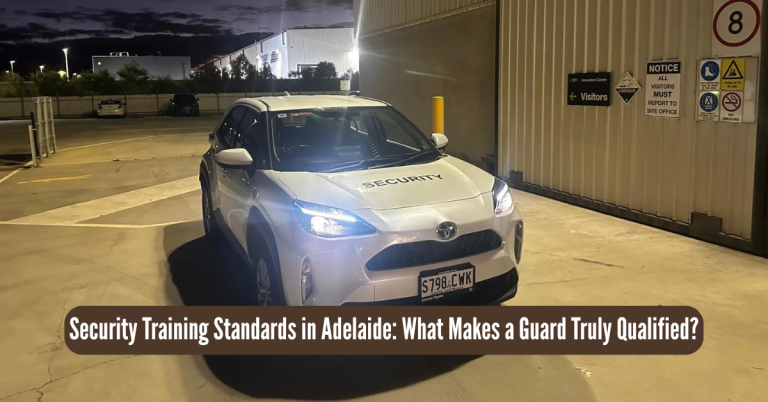
For larger sites, events or facilities requiring active oversight, professional guarding solutions can complement physical and electronic measures. Many property managers engage experienced providers offering security guard services in Adelaide to support day-to-day operations and after-hours protection.
In South Australia, security personnel must be properly licensed under state regulations. General information on licensing and compliance is available via the SA Government:
Integrated Security Planning: Bringing It All Together
The most effective building security strategies are integrated rather than fragmented. This means aligning physical design, technology, procedures, and personnel into a single, coordinated plan.
Integrated security planning typically involves:
- Conducting a site-specific risk assessment
- Identifying critical assets and vulnerabilities
- Layering security measures for redundancy
- Reviewing and updating systems as risks change
Working with an experienced security company in Adelaide like SafeHands Security Services can help property owners assess risks objectively and design solutions that are proportionate, compliant and scalable, without unnecessary complexity.
Compliance and Best Practice in South Australia
While this article does not provide legal advice, it’s important to note that security services and installations in South Australia are subject to licensing and regulatory oversight. This includes requirements for security agents, monitoring services and certain electronic systems.
Staying informed about compliance expectations helps ensure systems are not only effective but also lawful and reliable.
Practical Building Security Checklist
To conclude, here is a practical checklist property owners and managers can use to strengthen building security:
- Review doors, locks and entry points for weaknesses
- Ensure external areas are well-lit, especially after hours
- Install or upgrade CCTV and alarm systems where appropriate
- Implement access control for staff, tenants and visitors
- Consider whether on-site security personnel are suitable for your property
- Conduct regular security risk assessments
- Confirm all security services and providers meet SA licensing requirements
- Educate occupants or staff on basic security awareness
Building security in Adelaide is not about a single solution; it’s about informed planning, local awareness and consistent improvement. By taking a balanced and integrated approach, property owners can create safer and more resilient environments for everyone who uses their buildings.