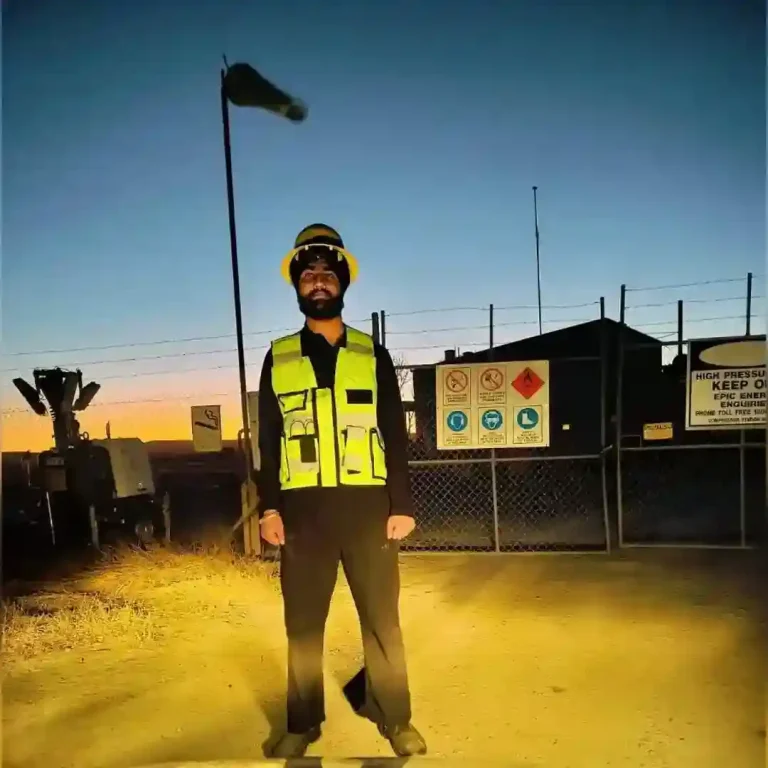
Soft Skills Every Modern Security Guard Needs to Master
In an era where security roles are as much about people as they are about presence, soft skills have become critical to professionalism, public trust and safety outcomes. In Australia (and particularly in South Australia) modern security personnel are expected to do far more than stand guard or deter wrongdoing through visibility alone. Additionally, they engage with the public, make rapid judgment calls, de-escalate conflict, and project confidence without force. The ability to do this well directly enhances trust in security services, improves outcomes in high-stress situations and sets the standard for how professional security is perceived in workplaces, events and community environments.
For organisations seeking dependable front-line partners or individuals considering entering the industry, understanding these soft skills sheds light on what modern security work entails and why good character matters as much as training.
Why Soft Skills Are Essential in Modern Security Roles
Traditional expectations of security guards focused heavily on physical presence, authority and the deterrent effect of a uniformed figure. While these aspects still matter, clients and the public increasingly expect security personnel to be effective communicators, sound decision-makers and emotionally intelligent in interactions. Moreover, these abilities help avoid escalation, ensure compliance with licensing behavioural standards and support positive experiences for the public and stakeholders alike.
In South Australia, anyone working as a security agent, including crowd controllers and venue security, must hold an appropriate security licence issued under the Security and Investigation Industry Act 1995 and meet fit-and-proper-person standards as part of that process. You can find official details about licences on the South Australia Police and SA Government websites.
Communication Skills: More Than Just Talking
Why Communication Skills Matter in Security Roles
One of the most important soft skills a security guard can have is strong communication. This includes clear verbal communication, active listening and the ability to tailor language and tone to the situation and audience.
Good communication helps:
- Build rapport and trust with the public and clients.
- Explain safety instructions clearly to diverse groups of people.
- Reduce misunderstandings that could lead to conflict.
- Coordinate effectively with team members and emergency services.
In SA, clear communication is especially important at events, licensed premises and public spaces where guards are often the first point of contact for patrons, staff and authorities.
Emotional Intelligence: Understanding People and Situations
What Emotional Intelligence Looks Like for Security Personnel
Emotional intelligence (EQ) refers to the ability to recognise, understand and manage one’s own emotions and those of others. For security guards, high EQ means:
- Reading body language and social cues to anticipate potential issues.
- Self-regulating responses in high-stress or confrontational situations.
- Empathy, which aids in calming distressed individuals or resolving disputes.
Rather than reacting instinctively, security professionals with strong emotional intelligence can shape outcomes toward safer, more controlled interactions.
Judgement and Decision-Making: Choosing the Right Response
How Good Judgement Enhances Safety Outcomes
Accurate situational judgement is a cornerstone of modern security work. Rather than relying on force or authority, security guards must weigh risks, consider context and choose responses that safeguard people and property.
For example:
- Assessing whether to intervene directly or call for support
- Balancing safety with respect for individual rights
- Deciding when to involve law enforcement or medical professionals
In busy event environments or licensed venues, quick yet thoughtful decisions help prevent harm and protect reputations.
Conflict Management: De-Escalation Over Confrontation
Why Conflict Management Is a Soft Skill
Security guards are frequently placed in situations where tensions are high; be that at concerts, sporting events or nightlife precincts. Modern security training (such as the nationally recognised CPP20218 Certificate II in Security Operations qualification) emphasises de-escalation techniques that prioritise safety and compliance without aggression.
Effective conflict management skills include:
- Using calm and measured language
- Setting clear boundaries without threatening behaviour
- Referencing policies or rules to justify safety decisions
- Backing up actions with confidence – not aggression
Such skills reduce the likelihood of volatile confrontations and align with behavioural expectations outlined in licensing standards.
Professional Conduct and Ethical Standards
The Importance of Professionalism in Security
Professional conduct encompasses how a security guard presents themselves, interacts with colleagues and the public and adheres to legal and ethical standards. In South Australia, licence holders are required to meet behavioural obligations as part of their licensing conditions. This includes notifying authorities of certain changes in circumstances and behaving in ways that uphold public confidence in the security industry. According to South Australia Government
Key components of professional conduct include:
- Respectful and impartial treatment of all individuals
- Maintaining confidentiality and discretion
- Complying with laws and organisational policies
- Reflecting integrity and accountability in decisions
Professional conduct reinforces the legitimacy of the security profession and helps build trust across community settings.
Situational Awareness: Seeing What Others Miss
Defining Situational Awareness for Security Work
Situational awareness is the ability to accurately perceive what is happening around you and anticipate how situations might evolve. It requires paying attention to details such as:
- Unusual behaviour patterns
- Environmental hazards
- Potential safety risks
- Crowd dynamics
Good awareness helps security personnel prevent issues before they escalate and supports safer environments for events, venues and workplaces.
Teamwork: Security Is a Collective Effort
Collaborating With Colleagues and Other Stakeholders
Security work rarely happens in isolation. Whether coordinating with other guards, venue staff, emergency services or clients, teamwork is essential. This means:
- Clear, respectful communication
- Sharing information about risks and responses
- Supporting team decisions and the chain of command
- Adapting quickly to changing circumstances
Teamwork enhances operational effectiveness and helps integrate security services into broader safety strategies.
Cultural Awareness and Respect
Why Cultural Competence Matters
Australia, including South Australia, is culturally diverse. Security personnel who understand and respect cultural differences can avoid misunderstandings and foster inclusive environments. Cultural awareness means:
- Avoiding assumptions based on stereotypes
- Recognising different social norms and behaviours
- Respectful engagement with people from all backgrounds
This skill underpins positive interactions at multicultural events, busy urban centres and community gatherings.
Conclusion: Skills Every Professional Security Guard Should Demonstrate
Whether you’re a client assessing security professionalism or an individual preparing for a career in the sector, the following checklist summarises the core soft skills expected of modern security personnel:
- Clear and effective communication
- High emotional intelligence
- Sound judgement and decision-making
- Conflict management and de-escalation expertise
- Strong professional conduct and ethical behaviour
- Keen situational awareness
- Collaborative teamwork abilities
- Cultural awareness and respect
These skills support safer environments, improve public trust, and reflect the evolving nature of security work in today’s Australia. To learn more about what professional security looks like in practice, check resources such as the Security Company in Adelaideor review services like security guard services in Adelaide for contextual examples of how these soft skills are applied in real work environments.